
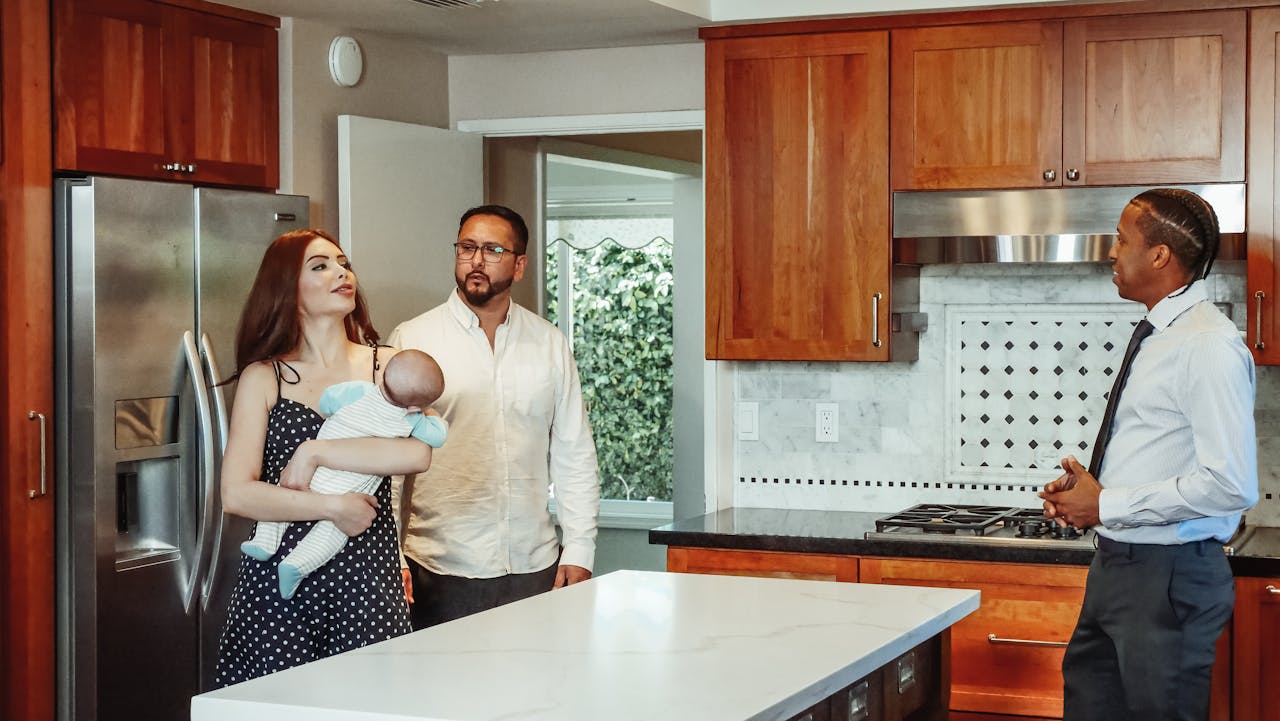
How Mold Can Affect Real Estate Transactions: Disclosure and Legal RequirementsHow Mold Can Affect Real Estate Transactions: Disclosure and Legal Requirements
When navigating the complex world of real estate, buyers and sellers often face a myriad of challenges. One issue that can become particularly troublesome is mold. Often hidden behind walls or under carpets, this insidious fungus can wreak havoc on properties—and transactions—if not properly managed. Before you search for ‘mold removal near me‘ on Google, it’s important to understand how mold impacts real estate deals. As awareness about indoor air quality grows, so does the scrutiny surrounding mold issues in homes and commercial buildings. Let’s dive into what every participant in the real estate market needs to know about handling mold disclosures and requirements effectively.
Disclosure Laws and Requirements for Sellers and Agents
Disclosure laws regarding mold vary by state, but they generally require sellers to inform potential buyers of any known issues. It includes past water damage or visible mold growth. Transparency is key in maintaining trust during a transaction. Real estate agents also share responsibility for guiding their clients through these legal obligations. They should ensure that all required disclosures are made and properly documented. Failure to do so can lead to significant liability. In many places, sellers must fill out a property disclosure statement detailing the condition of the home. If mold has been an issue, it’s crucial to disclose that information—even if remediation efforts have taken place. Understanding local regulations helps prevent future disputes or lawsuits.
Legal Ramifications of Not Disclosing Mold in a Property
Failing to disclose mold in a property can lead to serious legal consequences for sellers and real estate agents. Buyers have the right to know about any potential health hazards before purchasing. If mold is discovered after the sale, it could result in lawsuits. In many states, laws stipulate that sellers must reveal known defects, including mold issues, during the transaction process. Ignoring this obligation might be considered fraudulent misrepresentation. The costs associated with litigation can escalate quickly. Homeowners may seek damages for remediation expenses and emotional distress caused by their unanticipated living conditions. Real estate professionals are equally at risk; they could face professional liability claims if clients feel misled or uninformed about significant issues like mold contamination.

Precautions to Take When Dealing with Mold in a Real Estate Transaction
When navigating a real estate transaction involving mold, proactive measures are essential. Start by conducting a thorough inspection of the property. Hire professionals who specialize in mold detection and remediation to ensure no hidden issues go unnoticed. Documentation is key. Keep detailed records of any inspections, tests, and treatments undertaken. It not only protects you but also helps build transparency with potential buyers. If you uncover mold during negotiations, be upfront about it. Disclose findings to all parties involved; honesty fosters trust and can ease future transactions. Consider including contingencies in your contract related to mold treatment or mitigation efforts. This adds an extra layer of protection for both buyers and sellers.
Conclusion
Understanding the impact of mold on real estate transactions is vital for both sellers and buyers. Disclosure laws are designed to protect all parties involved, ensuring transparency about a property’s condition. Navigating real estate transactions requires awareness of these critical aspects surrounding mold. By prioritizing clear communication and adhering to legal responsibilities, everyone involved can contribute to smoother dealings in property transfers while protecting their interests effectively.…






 The most important thing that you can do when staging your home is to get rid of any clutter. Things can make a space feel small and cramped, and it can be off-putting to potential buyers. If you have any items you don’t need or use regularly, consider storing them somewhere else while your home is on the market. You should also declutter any surfaces, such as countertops and tables. If you want to know how to prep your home for sale, you should read an article about
  Also, an important aspect of staging your home is to edit your furniture arrangement. You want to make sure that each room has a purpose and that the furniture is arranged in a way that makes sense. For example, if you have a smaller living room, you may want to consider removing some pieces of furniture to make the space appear larger. You should also avoid placing too much furniture in any one room. This is a common mistake people make when trying to stage their homes.
 When choosing a business space for your small business, location is a crucial point to consider, as it will directly affect the performance of your business. Ideally, an expert should be centrally located so that it is easy to monitor and accessible to customers. This location can also be used as a business advantage. Locating a business in a place where there are many people can help promote the service or product and attract customers. The closer the office in most cities, the better it is for both the customer and the small business.
 An important element when choosing office space is the cost of renting or purchasing this facility. Consider the company’s financial ability to rent or buy commercial space. Businesses located near corporate centers or downtown are the most affordable regions to set up a workspace; however, keep in mind that the closed space is to the corporate center, the more expensive it will be. The size of the space and the amenities accessible also influence the cost.
 The last thing you should do is seek the help of an excellent small business real estate agent to help you find the best facilities in town. A great
