Top Facts About Radon That Will Make You Test Your Home Today
Radon is a word that many homeowners might not be familiar with, but it’s time to change that. This invisible gas lurks in homes across the country, silently posing serious health risks. You may think your home is safe, but radon could be hiding in plain sight.
Understanding this odorless and tasteless threat could save your life or the lives of your loved ones. So why should you care about radon? These facts we’re going to mention here will have you thinking twice about skipping a radon test for your home.
You Can’t See, Smell, or Taste Radon
Radon is a gas that you cannot see, smell, or taste. This makes it particularly dangerous because there are no immediate signs of its presence. Many people go about their daily lives unaware that they could be breathing in radon.
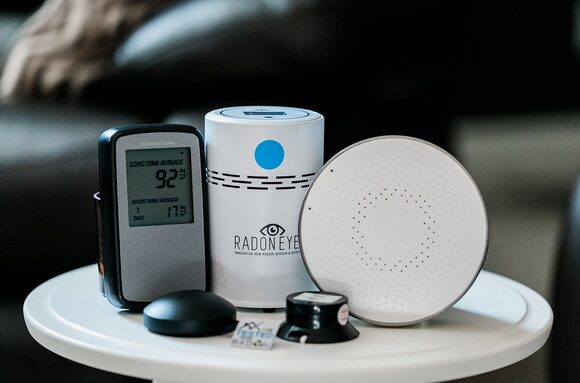
It’s produced naturally as uranium decays underground, often seeping into homes through cracks in floors and walls. Once inside, it can accumulate to harmful levels without anyone realizing it. The lack of sensory indicators means the only way to confirm its existence is through testing. That’s why you need to måle radon i hjemmet and see if it’s still at a good level.

Radon Is the Second Leading Cause of Lung Cancer
You really don’t want to mess around with radon. Why? Radon is a silent threat lurking in many homes. It’s the second leading cause of lung cancer, trailing only behind smoking. This staggering fact might surprise you. Many people don’t realize how serious radon exposure can be. When inhaled, radioactive particles from radon can damage lung tissue and lead to cancer over time.
The risk increases significantly for smokers who are already vulnerable. What makes it even more alarming is that radon doesn’t discriminate by location or home type. Whether you’re in a brand-new house or an older one, the potential for high levels exists everywhere.
Radon Levels Can Vary Drastically Between Homes
Radon levels can differ significantly, even between neighboring houses. Soil composition, construction materials, and home design all contribute to this variation. Some homes may have elevated radon levels while others nearby remain safe. It’s a surprising reality that many homeowners overlook.
Factors like ventilation play a crucial role as well. Well-ventilated areas might see lower concentrations compared to tightly sealed spaces where air circulates poorly. Additionally, the geographical location can impact radon presence. Certain regions are more prone due to natural uranium deposits in the ground.
The Mitigation Is Quite Simple and Effective

Mitigating radon in your home is easier than you might think. Many homeowners worry about the process, but it’s quite straightforward. Professional radon mitigation can be about installing a proper vent pipe and fan system. This setup channels harmful gas from beneath your very own home and vents it safely outside.
In some cases, sealing cracks and openings can also help reduce radon levels effectively. It’s a small investment for peace of mind regarding health risks. Most importantly, these methods have proven to be effective in lowering indoor radon concentrations. With proper mitigation, families can feel safer knowing they’ve taken steps to protect their loved ones from this silent threat.
The good news? Testing for radon and mitigating high levels is straightforward and effective. There are various options available for both short-term and long-term testing, as well as proven methods to reduce high concentrations if found. So, if you haven’t tested your home yet, now might be the perfect time to take action.