
Building Zero-Waste Homes: Can You Actually Do It?Building Zero-Waste Homes: Can You Actually Do It?
The idea of a zero-waste home sounds ideal—no trash, no single-use plastics, no overflowing bins. Just intentional, sustainable living. But is it really achievable, or is it just another Instagram-perfect lifestyle goal that’s impossible to maintain in real life? As more people aim to reduce their environmental impact, the concept of zero-waste living is getting a lot of attention. But before you toss out your trash can entirely, let’s break down what it really means to live waste-free—and whether it’s doable for the average household.
What Does Zero-Waste Actually Mean?
Zero-waste isn’t about being perfect or never producing any trash at all. It’s more of a mindset—aiming to send as little as possible to the landfill by rethinking consumption, reducing what you buy, and reusing or recycling what you can. It’s about creating a circular lifestyle, where waste becomes a resource instead of an afterthought. In cities like Berlin, for example, eco-conscious housing initiatives such as die-brandenburger integrate sustainable living into everyday design, making it easier for residents to reduce waste without sacrificing convenience. While a fully zero-waste home might be a tough goal, many people are adopting the philosophy in small, impactful ways.
What Your Trash Is Telling You
Take a peek into your garbage bin—what do you see? Food packaging, plastic wrap, disposable coffee cups? Understanding your waste is the first step toward minimizing it. When you track what you’re throwing away, you start to see patterns and habits that can be changed. You might realize you’re buying too much packaged food or relying heavily on convenience items. Once you spot those trends, it becomes easier to swap in reusable alternatives or find low-waste options at local stores or farmers’ markets.
Swaps That Actually Stick

One of the biggest misconceptions about zero-waste living is that it requires an expensive lifestyle overhaul. In reality, many zero-waste swaps save you money over time—like using cloth napkins instead of paper towels or switching to a safety razor. The key is to make changes gradually. Start with the things you use every day, like your kitchen or bathroom essentials. Replacing single-use items with sustainable versions that you actually enjoy using will make the shift feel natural, not forced.
The Hidden Hurdles of Going Zero-Waste
While the zero-waste lifestyle sounds noble, it’s not always easy. Access to bulk stores or refill stations isn’t universal, and some products are simply not available in sustainable packaging. Time and convenience also play a role—prepping everything from scratch or remembering to bring your own containers can feel like a full-time job. And then there’s the social pressure. Zero-waste living can sometimes come off as judgmental or exclusive, which can discourage newcomers. It’s important to remember that doing something is always better than doing nothing. Imperfect efforts still matter.
A Zero-Waste Home That Works With You
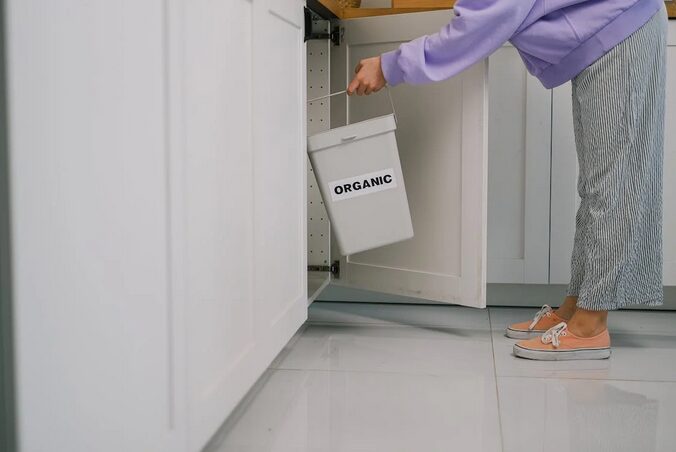
One of the most effective ways to support a zero-waste lifestyle is by designing a home that makes it easier. Think open storage for bulk goods, compost bins that are actually easy to use, and space-saving solutions for reusable items. Some modern housing developments are already incorporating these ideas into their layouts and amenities. When your space is set up to support low-waste living, sticking with it becomes second nature. Zero-waste doesn’t have to feel like a sacrifice—it can actually make your home feel calmer and more intentional.
So, can you actually live in a zero-waste home? Maybe not perfectly—but that’s not the point. The goal isn’t to fit all your yearly trash into a mason jar. It’s about making mindful decisions that reduce your impact and simplify your life. Whether you’re just swapping out your plastic bags or rethinking your entire home setup, every step toward less waste is a step in the right direction.…

